Fish Filleting Knives for Precision and Effortlessness
Fish filleting knives are necessary for anyone working with fish. They supply a range of possibilities, from bendable to hard blades, tailored for various filleting needs. The right blade length and material can markedly impact the ease of use and accuracy. Recognizing these factors is essential for both novices and experienced cooks. Yet, many are unacquainted of the nuances that can raise their filleting skills. What considerations should one bear in mind when opting for the perfect knife?
Varieties and Qualities of Fish Filleting Knives
Fish filleting knives come in different types, each designed to improve the accuracy and simplicity of the filleting process. Popular types include flexible, stiff, and electric filleting knives. Flexible knives have a flexible blade, allowing for intricate cuts and smooth separation of the flesh from the bone. Stiff blades, on the other hand, offer more precision for larger fish, rendering it easier to manage tough skin and bones. Electric filleting blades accelerate the procedure, slicing through fish with minimal effort, ideal for those deboning multiple fish at once.
Additionally, the blade materials fluctuate, with stainless steel as popular for its rust resistance and durability. Features such as ergonomic grips and non-slip grips support safety and comfort during use. Each type and feature is built to fit different skill levels and choices, ensuring that both novice and experienced anglers can achieve remarkable results while filleting their catch.
How to Choose the Right Blade Length for Filleting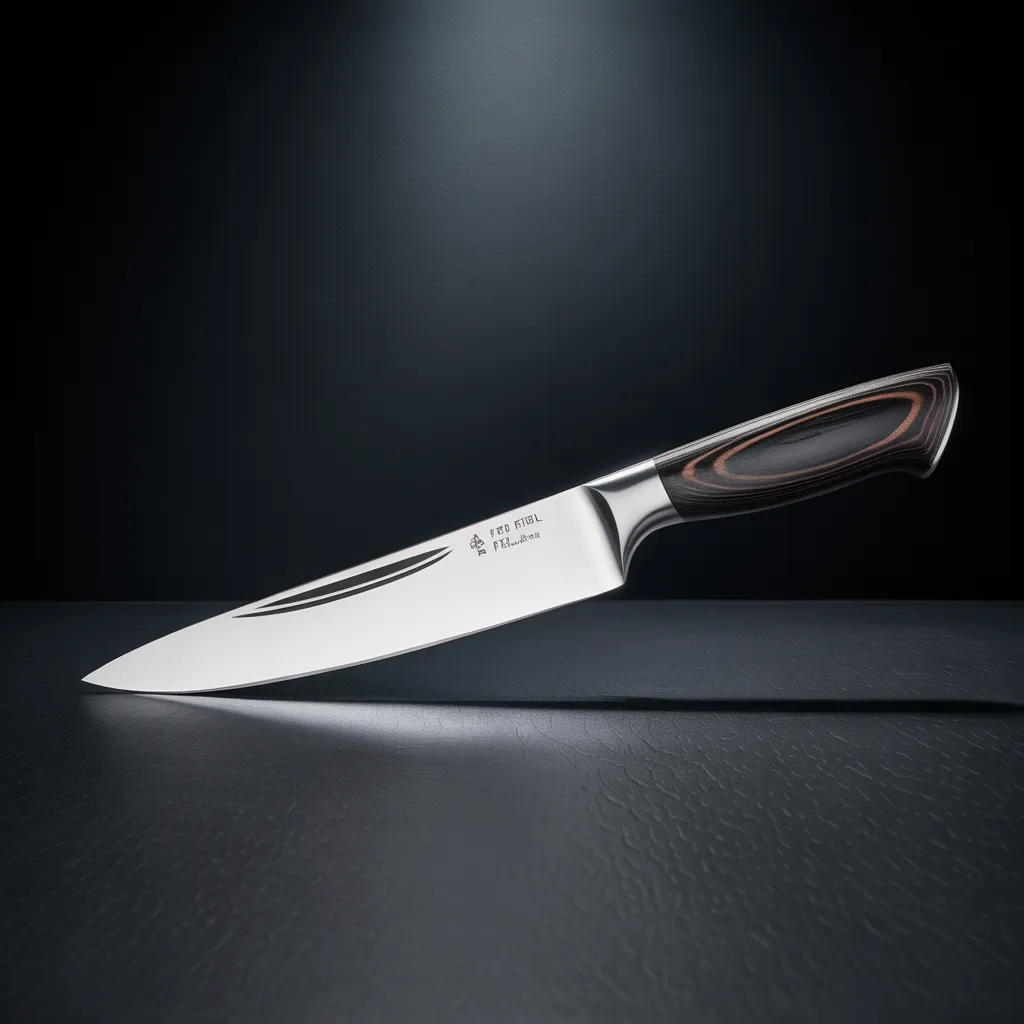
Selecting the proper blade length for filleting is vital for achieving precise cuts and ideal results. As a general rule, the blade length should align with the size of the fish being processed. For smaller species like trout or perch, a blade length of 6 to 7 inches is often sufficient, allowing for maneuverability and precision. In contrast, larger fish such as salmon or tuna benefit from longer blades, typically ranging from 8 to 10 inches.
A extended blade enables clean and wide cuts along the fish’s body, minimizing the chance of damaging the flesh. Moreover, the blade’s flexibility is critical; a more flexible blade fits more precisely to the fish’s contours, improving both precision and ease of use. In the end, the right blade length along with bendability guarantees effective filleting, making the task easier and yielding better results.
Best Options for Fish Filleting Knives
When evaluating the finest materials for fish filleting knives, the selection of blade composition greatly impacts performance. High-carbon stainless steel is often preferred for its excellent edge durability and resistance to rust, making it ideal for wet environments. This material strikes a harmony between durability and keenness, enabling for precise cuts.
One more popular alternative is flexible stainless steel, which boosts maneuverability throughout the filleting process, providing the ability to work around bones and skin effortlessly.
Some knives employ ceramic edges, known for their exceptional hardness and rust prevention; yet, they can be fragile and may chip under pressure.
The handle composition also plays a vital role, with options ranging from wood to synthetic composites, each providing varying levels of grip and comfort. Ultimately, the selection of materials dictates not only the knife's performance but also the user's overall experience in filleting fish.
Essential Techniques for Deboning Fish: A Starter Guide
In the field of fish filleting, choosing the appropriate knife is vital for achieving clean cuts and minimizing waste. Learning the systematic process of filleting can significantly enhance the skill set of a beginner. Perfecting these essential techniques sets the basis for efficient and efficient fish preparation.
Determining The Best Blade
Picking the perfect knife is critical for producing exact and efficient fish filleting. Numerous elements influence this selection, including blade flexibility, length, and material. A supple blade permits enhanced maneuverability around bones, making it less difficult to remove the flesh from the bone framework. Generally, filleting knives stretch from 6 to 9 inches in length, with longer blades appropriate for larger fish. Also, high-carbon stainless steel is frequently preferred for its sharpness and durability. Grip satisfaction also represents a key consideration; a properly crafted handle reduces fatigue during extended use. In conclusion, picking a knife that merges these characteristics will substantially improve the filleting experience, delivering clean cuts and reducing waste.
Sequential Filleting Process
Learning the systematic filleting process converts a whole fish into gorgeous, boneless fillets. The procedure begins with fastening the fish on a cutting board, ensuring stability. Next, employing a sharp filleting knife, one should make an cut behind the gills, cutting down to the backbone. With the knife angled, the fillet is then carefully separated from the bones, following the contour of the spine. Once the first side is complete, the fish is flipped to repeat the technique on the other side. After both fillets are removed, it's crucial to trim away any remaining bones and skin. Finally, washing the fillets under cold water guarantees they are clean and ready for cooking. This approach yields precise, professional results.
instructions to keeping Your Fish Filleting Knife in optimal condition for lasting Performance
Taking care of a fish filleting knife is important for maintaining its longevity and peak performance. Regular cleaning with each use is essential. The knife must be washed with warm soapy water, evading strong abrasives that may compromise the blade. It's important to thoroughly dry the knife to prevent oxidation and rust, especially when made from carbon steel.
Keeping the blade sharp is another vital part of maintenance. A sharpening stone or steel is helpful in preserving the edge, which ensures clean cuts while preparing fish. Sharpening the knife regularly is recommended based on how often it is used.
Storing the knife correctly will also prolong its life. A knife sheath or magnetic strip complete article can protect the blade from damage and keep it safely stored. Additionally, regular oiling of the blade can avoid moisture accumulation and rust. By following these steps, the performance and durability of a fish filleting knife can be significantly improved.
Leading Fish Filleting Knife Labels for Every Skill Level
When choosing a fish filleting knife, enthusiasts and professionals alike can benefit from exploring various brands that serve different skill levels. For beginners, brands like Rapala and Morakniv offer affordable, user-friendly options that emphasize simplicity and protection. These knives typically include ergonomic handles and flexible blades, making them ideal for novice fishers.
Intermediate users may opt for brands such as Dexter Russell and Bubba Blade, which blend quality and performance. Their knives often utilize durable materials and ergonomic designs, allowing for more meticulous filleting techniques.
For veteran professionals, companies like Wüsthof and Global stand out with their exceptional craftsmanship and superior steel quality. These knives are crafted for accuracy, ensuring superior control and longevity. By examining these top manufacturers, fishermen at any skill level can boost their filleting experience, thereby producing improved results on the water.
Commonly Raised Questions
Are Fish Filleting Knives Suitable for Other Protein Choices?
Fish filleting knives may be applied to other types of meat, although their design primarily focuses on fish. Their sharp and flexible nature may help with filleting poultry or trimming meats, albeit with less efficiency.
How Often Should I Sharpen My Fish Filleting Knife?
A fish filleting knife needs to be maintained regularly, ideally after every several uses, to preserve its sharpness. Frequent honing helps assure smooth cuts and enhances the overall quality when preparing fish or other meats.
Is Investing in Electric Filleting Knives Sensible?
For those seeking speed and convenience, electric filleting knives can prove worthwhile. They reduce labor requirements and provide uniform results, especially among those who fillet often, though traditionalists who value hands-on methods may not find them appealing.
What Is the Best Way to Keep a Filleting Knife?
The finest method for keeping a filleting knife is within a knife case or knife block, ensuring the blade remains sharp and secure. At the same time, storing it in a dry environment prevents rust and damage.
Is a Filleting Tool Effective for Stripping Fish Skin?
Yes, a filleting knife can be used for removing fish skin. Its flexibility and sharpness allow for precise cuts, rendering it useful for detaching skin from the meat. Careful technique guarantees optimal outcomes and reduces waste during the process.